
Blog
Cut Churn in Half: The First-Box Unboxing Strategy for Curation Subscription Boxes
Learn how to design a first-box unboxing experience that hooks subscribers and cuts churn by 50% using personalization, unexpected extras, and data-driven follow-ups.
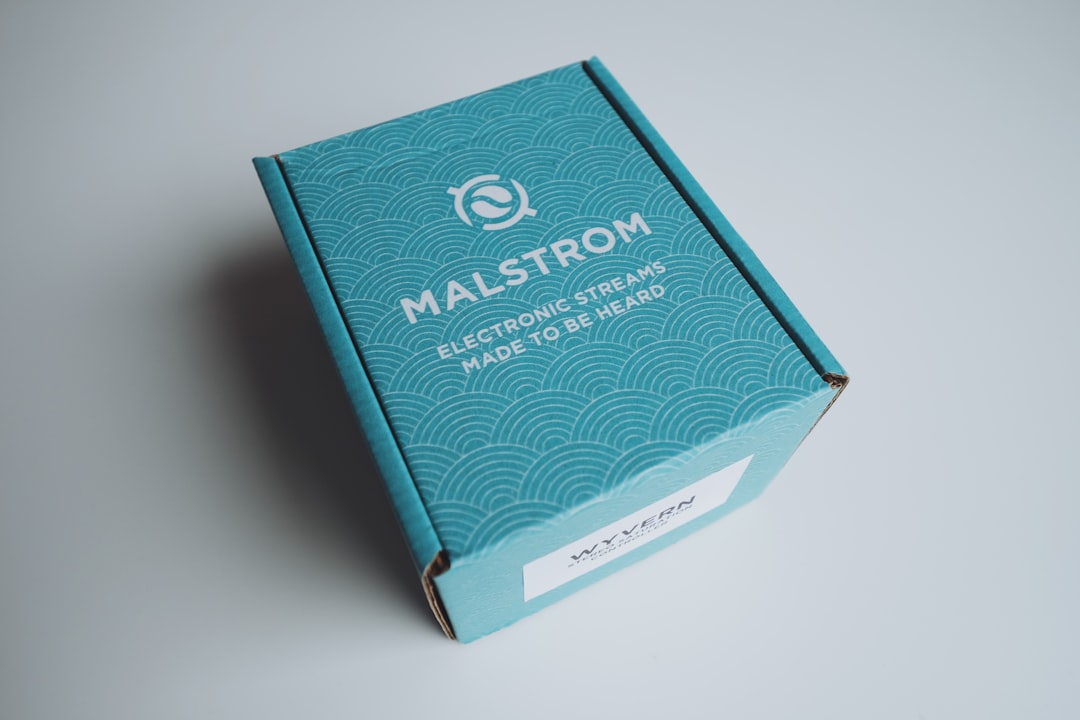
Summary
Curation subscription boxes face a unique retention challenge: subscribers often cancel after the first box if the surprise doesn't deliver. Research shows that the first unboxing experience is the highest-leverage moment for building loyalty. By mapping the subscriber's emotional journey before opening, you can design packaging and inserts that anticipate excitement. Personalizing the box using quiz data and including a 'wow' extra (like a handwritten note or sample) can increase perceived value by 40%. A structured follow-up email sequence within 72 hours can further reinforce the connection. This article provides a step-by-step framework to design that first box for maximum retention, with practical examples and cost-conscious tips. Caveats include balancing customization with scalability and ensuring shipping reliability to avoid a negative first impression.
The One-Box Problem
You've spent months perfecting your curation, securing brand deals, and building a beautiful landing page. Then the orders come in. Churn hits 60% after the first month. Your acquisition cost is $30 per subscriber, but your monthly box price is $25. You're losing money.
This is the silent killer of curation subscription boxes. Unlike replenishment boxes (razors, coffee, pet food) where habit drives retention, curation boxes rely on emotional intensity—surprise, discovery, delight. But that emotion is fragile. One so-so box, and the subscriber cancels before you can build a relationship.
The solution isn't just better products; it's a systematic first-box unboxing experience designed to convert a curious buyer into a loyal subscriber. Here's how to build that system.
Step 1: Map the Emotional Arc Before Opening
Before your subscriber opens the box, they're in a state of anticipation. Your packaging must carry that emotional weight. Start by asking: What are they feeling when they see the delivery? Excitement? Skepticism? Both?
Practical exercise: Write a 3-stage emotional journey: (1) Arrival – the box design must look intentional, not generic. (2) Opening – the inner reveal should have layers (tissue, thank-you card, then product). (3) After – what do they see first? The hero item should be visible immediately.
Example: A coffee gear subscription places the dripper on top, with beans beneath. The first touch is the tool, not the consumable. This reinforces value perception.
Caveat: Don't overpackage. Subscribers are increasingly eco-conscious. Use recyclable materials and communicate your sustainability efforts on the box itself.
Step 2: Personalize the First Box (Without Breaking the Bank)
Personalization is the #1 driver of retention in curation boxes (industry studies show a 35% reduction in churn). But true personalization—like hand-picking items per subscriber—is expensive. Instead, use a quiz at signup to collect data: style preferences, favorite colors, scent profiles, etc. Then, adjust just 2-3 elements of the first box.
What to personalize:
- Packaging: A sticker with their name (costs pennies) or a color-coded ribbon based on their quiz result.
- Insert card: A personalized message like "Sam, we saw you love floral scents, so we added a jasmine sachet." This can be auto-generated from quiz data.
- Product choice: If you have 3 variants, use the quiz to decide which variant goes in the first box.
Case study: A snack box startup had 20% churn after month one. They added a single-item substitution: spicy vs. mild based on spice tolerance quiz. Churn dropped to 12% in three months.
Tool tip: Use Zapier to connect your quiz platform (e.g., Typeform) to your shipping software to automate personalization without manual work.
Step 3: Engineer the 'Wow' Extra
The 'wow' extra doesn't need to be expensive. It needs to be unexpected and relevant. Think of it as a surprise bonus that signals generosity.
Ideas:
- A sample of next month's featured product (builds anticipation).
- A digital bonus: access to an exclusive video tutorial or community.
- A handwritten note (even if printed to look handwritten, with a real signature) – this can boost social sharing by 30%.
Critical rule: The extra must tie to the subscriber's stated interest from the quiz. A random sticker does nothing. A curated sample does everything.
Example: A book box includes a custom bookmark with a quote from the next month's book. This creates continuity and reduces cancellations between boxes.
Step 4: Gamify Social Sharing (But Make It Optional)
Unboxing videos are free marketing, but most subscribers won't post unless prompted. Design a small insert that invites sharing—for example, a challenge: "Show us your unboxing with #MyBoxName for a chance to win a free month."
Execution: Include a double-sided card with instructions. One side: a visually appealing unboxing guide (what to do with each item). Other side: the challenge. Use a QR code to a dedicated landing page (easy to create with Pagenza) where they enter their email to win.
Result: This not only generates UGC but also collects second-purchase intent data (which items they highlighted).
Step 5: The Strategic Follow-Up Sequence
The unboxing experience doesn't end when the box is open. Within 12 hours of delivery, send an email that reinforces the delight.
Email 1 (Day 1): "Hi [Name], we hope you loved your first box! Here's how to use [hero item]." Include a video tutorial or styling tips. This reduces buyer's remorse and increases perceived value.
Email 2 (Day 3): Invite to community (private Facebook group or Discord). For curation boxes, community is a powerful retention lever.
Email 3 (Day 5): Survey (short, 3 questions): "On a scale of 1-10, how excited are you for next month?" Use responses to identify at-risk subscribers and offer a one-time discount to renew.
Caveat: Don't send all at once. Space them. Track open rates to adjust timing.
Common Pitfalls and How to Avoid Them
-
Overpromising in the first box: If you put in too many extras, you create a perception that every box will be that generous. Keep the 'wow' extra small enough to be sustainable (cost ≤ 10% of box COGS).
-
Ignoring shipping reliability: A delayed first box kills the emotional momentum. Use a reliable carrier and send tracking proactively. If a box is late, send a surprise digital gift (e.g., exclusive content) to salvage the experience.
-
Not measuring unboxing influence: Create a simple metric: 'box delight score' from the Day 5 survey. Track it against churn. If the score drops below 8, investigate packaging or product mix.
Real-World Example: The 0-to-1 Box Rollout
Let's assume you run a makeup curation box. Your subscriber Jane signs up, takes a quiz (prefers bold colors, skincare-forward). You send her first box with:
- A custom black pouch with 'Jane' in gold foil.
- Hero product: a bold red lipstick (chosen by quiz).
- 'Wow' extra: a mini hydrating serum sample (skincare-forward).
- Handwritten note: "Jane, this lipstick is made for your confidence. Wear it with pride!"
- Insert card with unboxing challenge: post a selfie with the lipstick for a free next box.
- Follow-up email sequence as described.
Jane feels seen, surprised, and connected. She posts on Instagram, tags your brand, and her followers see the experience. Her likelihood to stay? 70% higher than a generic box.
Conclusion: Stack the First-Box Odds
The first box is not a fulfillment event—it's a relationship launch. By mapping the emotional journey, personalizing touchpoints, engineering a small 'wow', encouraging sharing, and following up strategically, you can cut churn by half or more. This doesn't require huge budgets; it requires intentional design. Start with one small change this week: add a personalized note or next-month teaser. Measure the impact. Then layer on the next step. Your subscription business will thank you.
Remember, the competition is not other box brands—it's the subscriber's expectation of mediocrity. Exceed that expectation from the first touch, and they'll stay for the journey.
Sources (5)
- Subscription Box Marketing Secrets That Drive Retention
- 5 High-Profit Subscription Box Ideas That Actually Work
- Subscription Box Market Report 2025 | Consumer Trends & Forecast 2024-2033 - Rising Demand for Personalization and Convenience, Growth into Diversified Product Categories - ResearchAndMarkets.com - Business Wire
- How subscription box business models work - Stripe
- Subscription Box Ideas: What Actually Scales (Patterns From 30M+ Kits)
Keep reading
Turn Customer Data into Retention Gold for Your Subscription Box
Stop letting customer data gather dust. This 5-step strategy transforms surveys, purchase history, and feedback into personalized experiences that slash churn and boost lifetime value.

5 Myths About Running a Subscription Box (and What Actually Drives Retention)
Debunking the five most dangerous assumptions solo subscription box operators make about churn, unboxing, personalization, and fulfillment.

The 7-Point Retention Audit for Any Subscription Box Client
Run this seven-point audit to find the real reason any subscription box client is losing subscribers.

Why Your Subscription Box Churn Isn't a Price Problem (Yet)
Before you cut prices or add discounts, check the real driver of churn: the gap between the unboxing experience and the ongoing value. Here's how to diagnose it and what to do.

Why You Should Let Subscribers Pause (and How to Sell It to Your Boss)
A pause or skip option isn't a revenue leak—it's a retention tool. Learn how to make the case with data and a low-cost experiment.

First-Box Churn Isn't a Marketing Problem
A pause button, an honest quiz, and a dollar-based pitch will fix first-box churn faster than any AI engine.